Stuck in Snow Regina? Fast Winch Out & Recovery Service
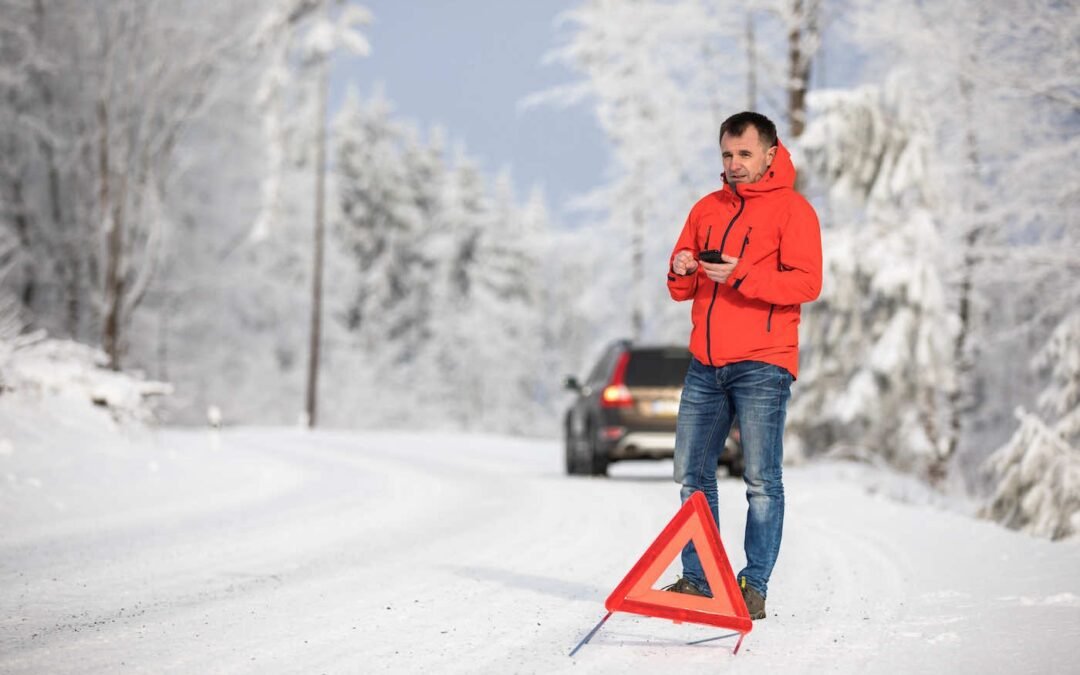
You hit a patch of ice on Ring Road, your car slides off the shoulder, and now you’re stuck in a snowbank. Or maybe you misjudged a turn on a gravel road and ended up in a ditch. Perhaps your vehicle broke through the crusted snow in a parking lot and your wheels are spinning uselessly. Whatever the situation, you need professional winch out service to get back on solid ground—and you need it fast.
Getting stuck in snow, mud, or ditches is one of the most common winter emergencies in Regina. Between November and March, professional recovery teams respond to hundreds of stuck vehicle calls every week. With the right equipment and experienced operators, most vehicles can be safely recovered in 15-30 minutes without damage to your car, truck, or SUV.
What Is Winch Out Service?
Winch out service uses a heavy-duty mechanical winch mounted on a recovery truck to pull stuck vehicles back to solid ground. Unlike pushing or towing, winching applies controlled, gradual force through a steel cable attached to your vehicle’s frame or tow points. This method works when your vehicle is:
- Stuck in deep snow or snowbanks
- Trapped in muddy or soft ground
- Lodged in a roadside ditch
- High-centered on ice or snow ridges
- Stuck on embankments or slopes
- Trapped between obstacles with no room to drive out
Professional roadside assistance teams use commercial-grade winches rated for 8,000 to 12,000+ pounds of pulling power—far more than recreational winches. This ensures safe recovery even for heavy vehicles like trucks, SUVs, and vans stuck in deep snow or difficult terrain.
Common Scenarios: How Drivers Get Stuck in Regina Winters
Sliding Into Roadside Snowbanks
Regina’s Ring Road and Highway 1 see frequent winter spinouts when drivers hit black ice or lose traction during sudden braking. Even at low speeds, your vehicle can slide sideways into plowed snow piles that line the shoulders. These snowbanks are often packed solid by plows, making self-recovery impossible.
Getting Trapped in Parking Lot Snow
Mall parking lots, apartment complexes, and office buildings often have uneven snow coverage. Driving over what looks like solid snow can hide soft spots underneath where your wheels sink and lose traction. Front-wheel drive vehicles are especially vulnerable in these situations.
Misjudging Rural Road Shoulders
On rural roads around Regina, shoulders can be deceptively deep with soft snow. Pulling over to let another vehicle pass or stopping to check directions can result in your car settling into snow that reaches above your wheel wells. Once your undercarriage rests on snow, no amount of acceleration will free you.
Sliding Into Ditches During Whiteouts
Saskatchewan winter storms can create whiteout conditions with zero visibility in seconds. Drivers naturally slow down and move toward the shoulder—but without clear road markers, it’s easy to drift too far and end up in a ditch. Even shallow ditches can trap vehicles when filled with packed snow.
Breaking Through Crusted Snow
When temperatures fluctuate, snow develops a hard crust that appears solid. Walking on it feels fine, but driving over it can cause your vehicle to break through, trapping your wheels in deeper, softer snow beneath. This commonly happens in residential areas with unpaved driveways or alley access.
Why You Can’t Always Get Unstuck on Your Own
When your vehicle is stuck, your first instinct might be to accelerate, rock back and forth, or ask someone to push. While these methods sometimes work for minor situations, they often make things worse:
Spinning Wheels Dig Deeper
Applying too much throttle when your wheels are spinning melts the snow beneath your tires, creating ice. Your tires then polish this ice smooth, eliminating any remaining traction. What started as being stuck in snow becomes being stuck on ice—a much harder problem to solve.
High-Centering Leaves You Stranded
If your vehicle settles until the frame or undercarriage rests on snow, your wheels can spin freely without touching the ground. No amount of pushing, rocking, or tire traction aids will help because the wheels have no contact with a solid surface.
Pushing Risks Injury
Asking friends or strangers to push your vehicle creates serious safety risks. If the car suddenly gains traction, it can lurch forward unpredictably, potentially injuring anyone behind it. Slipping on ice while pushing can also cause falls and injuries.
Tow Straps Can Break or Slip
Using tow straps with another vehicle seems like an easy solution, but amateur recovery attempts often fail. Tow straps can snap under load, sending metal hooks flying at dangerous speeds. Improper attachment points can damage your vehicle’s frame, bumper, or suspension components.
Professional winch out service eliminates these risks by using proper equipment, trained operators, and controlled extraction techniques. For situations where winching isn’t enough, teams can provide breakdown towing service to transport your vehicle to safety.
How Professional Winch Out Recovery Works
When you call for winch out service in Regina, here’s the step-by-step process you can expect:
1. Fast Dispatch and Location Confirmation
Recovery teams operate 24/7 with GPS tracking and mobile dispatch systems. When you call, provide your exact location using nearby landmarks, cross streets, or GPS coordinates. Mention what type of terrain you’re stuck in (snow, ditch, mud, ice) so the dispatcher can send the right equipment.
Most winch out calls in Regina receive response within 20-40 minutes, depending on weather conditions and traffic. During major winter storms, response times may increase, but teams prioritize stranded drivers based on safety concerns and location.
2. Scene Assessment and Safety Setup
Upon arrival, the operator assesses your vehicle’s position, the ground conditions, and potential obstacles. They’ll place warning triangles or flares if you’re near active traffic, and position the recovery truck for the safest, most effective winching angle.
The operator identifies the best attachment points on your vehicle—typically frame-mounted tow hooks or reinforced recovery points. Never attach winch cables to bumpers, axles, or suspension components, as these can bend or break under load.
3. Winch Rigging and Cable Attachment
The operator extends the winch cable from the recovery truck to your vehicle, threading it through any necessary pulley blocks to increase pulling power or change the direction of pull. They’ll attach the cable hook to your vehicle’s proper tow point using protective sleeves to prevent paint damage.
Before beginning the pull, the operator confirms that no bystanders are near the cable path. Winch cables under tension can snap if they encounter sharp edges or exceed their load rating, creating a dangerous whipping hazard.
4. Controlled Extraction
The operator engages the winch, which slowly reels in the cable while pulling your vehicle toward the recovery truck. This happens gradually—typically at walking speed—allowing the operator to monitor for any problems. You may be asked to steer or apply gentle acceleration to help the wheels gain traction as the vehicle moves.
If your vehicle is severely stuck or high-centered, the operator might use a technique called “snatch blocking,” where the cable runs through a pulley to double the pulling force. This allows the winch to move heavier vehicles or overcome extreme resistance from deep snow or mud.
5. Vehicle Inspection and Final Check
Once your vehicle is back on solid ground, the operator disconnects the winch cable and inspects your car for any damage. They’ll check that your wheels move freely, your undercarriage shows no hanging parts, and your vehicle is safe to drive.
If your car sustained damage during the incident (not from the recovery process), or if mechanical problems contributed to getting stuck, the operator can arrange flatbed towing to transport your vehicle to a repair facility.
Different Types of Recovery Situations
Light Recovery: Snowbanks and Shallow Ditches
Most stuck vehicle calls in Regina fall into the light recovery category. Your car slid into a snowbank, got stuck in a parking lot, or dropped one side into a shallow ditch. These situations typically require:
- Single-line winch pull from one direction
- 15-20 minutes of recovery time
- Standard tow truck with medium-duty winch
- Minimal vehicle preparation or digging
Light recovery causes no stress to your vehicle when performed correctly, and you can drive away immediately once freed.
Medium Recovery: Deep Snow or Steep Ditches
When your vehicle is buried in deep snow, lodged in a steep-sided ditch, or high-centered on a median, recovery becomes more complex. These situations may require:
- Multiple winch angles or double-line pulls
- 30-45 minutes of recovery time
- Heavy-duty recovery truck with extended cable
- Manual digging to clear snow from under the vehicle
Medium recovery often involves repositioning the recovery truck multiple times to pull from different angles, gradually working your vehicle back to level ground.
Heavy Recovery: Accidents or Off-Road Situations
Vehicles that leave the roadway completely, roll into ravines, or become stuck after accidents require heavy-duty towing and recovery equipment. These situations involve:
- Rotator trucks or large wreckers with cranes
- 1-2 hours or more of recovery time
- Multiple operators and specialized rigging
- Coordination with police or emergency services
Heavy recovery is typically needed after serious accidents, rollovers, or when vehicles have traveled far from the roadway into fields, embankments, or frozen bodies of water.
Winch Out Service vs. Towing: What’s the Difference?
Many drivers confuse winching with towing, but they serve different purposes:
| Factor | Winch Out Service | Towing Service |
|---|---|---|
| Purpose | Pull stuck vehicle back to solid ground | Transport vehicle to another location |
| Equipment | Steel cable and mechanical winch | Wheel lift or flatbed truck |
| Vehicle Position | Stuck in snow, mud, ditch, or off-road | Already on solid ground but not drivable |
| Typical Duration | 15-45 minutes | Varies based on distance traveled |
| Result | Vehicle freed and ready to drive | Vehicle delivered to chosen destination |
| Cost | Usually flat fee based on difficulty | Based on distance and vehicle type |
Sometimes you need both services: winch out to free your vehicle, followed by towing if the vehicle isn’t safe to drive. Professional recovery teams can provide both in a single service call, eliminating the need for multiple companies.
What to Do If You Get Stuck in Snow
If your vehicle becomes stuck in snow, follow these steps to stay safe while waiting for professional help:
Stop Accelerating Immediately
As soon as you realize you’re stuck, take your foot off the gas pedal. Continuing to accelerate will only dig you deeper, melt the snow into ice, and potentially damage your transmission or drivetrain. Put the vehicle in park and turn on your hazard lights.
Assess Your Situation
Exit your vehicle carefully if it’s safe to do so (watch for traffic if you’re near a roadway). Walk around and look at how deeply you’re stuck. Check whether your wheels are touching the ground or if your vehicle is high-centered. Take photos if needed for the recovery team.
Don’t Try to Rock or Push
Resist the temptation to ask people to push or repeatedly rock your car back and forth. This can damage your transmission and make the situation worse. Save your energy and wait for professional equipment designed for safe recovery.
Stay with Your Vehicle in Bad Weather
If visibility is poor, temperatures are extreme, or you’re far from shelter, stay inside your vehicle with the engine running periodically for heat. Make sure your exhaust pipe isn’t blocked by snow—carbon monoxide can build up inside your vehicle if exhaust can’t escape. For detailed safety tips, read our guide on what to do while waiting for help.
Call for Professional Winch Out Service
Contact a 24/7 recovery service and provide your exact location, vehicle type, and a description of how you’re stuck. The dispatcher will send the appropriate equipment and give you an estimated arrival time. Keep your phone charged and watch for the recovery truck’s approach.
Preventing Winter Stuck Situations
While professional recovery is always available, prevention is better than cure. Here are practical tips to avoid getting stuck this winter:
Maintain Proper Tire Pressure
Cold air reduces tire pressure by approximately 1 PSI for every 5°C temperature drop. Under-inflated tires reduce traction and increase the likelihood of getting stuck. Check and adjust your tire pressure weekly during winter months.
Use Winter Tires
All-season tires become hard and lose grip below 7°C. Winter tires remain flexible in cold temperatures, providing significantly better traction in snow, ice, and slush. The investment pays for itself by preventing stuck situations and accidents.
Keep Emergency Equipment in Your Vehicle
Carry a folding shovel, traction mats or sand, a flashlight, warm blankets, and a charged phone or portable battery pack. These items won’t always get you unstuck, but they can help in minor situations or keep you comfortable while waiting for help.
Know Your Vehicle’s Limitations
Front-wheel drive vehicles struggle in deep snow. Rear-wheel drive cars are challenging to control on ice. All-wheel drive helps, but it’s not a guarantee—AWD helps you go, not stop, and even AWD vehicles get stuck in deep snow or when high-centered.
Avoid Unplowed Areas When Possible
If a parking spot looks questionable, find somewhere else to park. If a rural road hasn’t been plowed, consider taking a main route instead. The few extra minutes of driving time are worth avoiding hours of being stuck.
Learn the Feel of Lost Traction
When your wheels start slipping, don’t accelerate harder. Ease off the throttle, straighten your steering wheel, and try gentle acceleration. If you’re not moving forward, stop immediately and assess whether it’s safe to continue or if you should back out carefully.
When Winching Isn’t Enough: Additional Services
Sometimes getting unstuck is only the beginning. Your vehicle might need additional assistance:
Dead Battery After Being Stuck
Running your heater and accessories while waiting for help can drain your battery, especially in extreme cold. Recovery teams often provide battery boost service on-site to get your engine started once you’re freed.
Flat Tire From Impact
Hitting the edge of a ditch or rolling over hidden obstacles can damage tires or wheels. If you discover a flat tire during recovery, roadside tire change service can install your spare before you drive away.
Mechanical Damage Requiring Towing
Getting stuck sometimes reveals or causes mechanical problems—bent suspension components, fluid leaks, or transmission issues. If your vehicle isn’t safe to drive after recovery, the same team can provide towing to your preferred repair facility.
Accident-Related Recovery
If your stuck situation resulted from an accident, you may need accident towing service that includes working with police, documenting the scene, and coordinating with insurance companies.
Winch Out Service Coverage in Regina
Professional vehicle recovery operates throughout Regina and surrounding rural areas, including:
- Ring Road and Highway 1 corridors
- Rural roads within 50km of the city
- Residential neighborhoods like Lakeview, Glencairn, and Normanview
- Commercial and industrial areas
- Park and recreation areas
- Construction sites and unpaved areas
Whether you’re stuck on a major highway or a remote country road, 24/7 recovery services ensure help arrives even during the worst winter storms.
Frequently Asked Questions
How much does winch out service cost in Regina?
Winch out service typically costs between $75-$200 depending on the difficulty of the recovery, your location, and time of day. Simple snowbank recoveries near main roads cost less than complex ditch recoveries on rural properties. Most companies provide upfront quotes before beginning work, so you know the cost before committing.
How long does winch out recovery take?
Most winch out situations are resolved in 15-30 minutes once the recovery truck arrives. More complex scenarios involving deep snow, steep ditches, or multiple vehicles can take 45 minutes to an hour. The operator will give you an estimated time frame after assessing your situation.
Will winching damage my vehicle?
When performed by trained professionals using proper attachment points, winching causes no damage to your vehicle. Operators attach cables to frame-mounted tow hooks or manufacturer-specified recovery points designed for this purpose. Amateur recovery attempts using improper attachment points can cause damage, which is why professional service is recommended.
Can AWD or 4WD vehicles get stuck?
Absolutely. All-wheel drive and four-wheel drive help prevent getting stuck, but they don’t guarantee it. Deep snow, high-centering, and icy conditions can trap any vehicle regardless of drivetrain. AWD/4WD vehicles actually require more careful recovery due to their drivetrains—improper towing can damage transfer cases and differentials.
What if I’m stuck on private property?
Professional recovery services can access private property with your permission (or the property owner’s permission). Inform the dispatcher that you’re on private land so they can plan the approach. Recovery trucks can typically navigate residential driveways, parking lots, and farm lanes.
Is winch out service available in extreme weather?
Yes. Recovery teams operate 24/7 year-round, including during blizzards, extreme cold, and holidays. Response times may be longer during severe weather when demand is high and driving conditions are dangerous, but service remains available. Winter storms are peak times for stuck vehicles, so teams prepare accordingly.
Do I need winch out service or can a friend pull me out?
While friends with trucks sometimes successfully pull out stuck vehicles, this approach carries significant risks. Tow straps can snap and cause injuries. Improper attachment points can damage both vehicles. If the stuck vehicle suddenly breaks free, it can lurch forward dangerously. Professional winch service uses proper equipment, controlled force, and trained operators to ensure safe recovery.
Get Professional Winch Out Service in Regina Now
Don’t let being stuck in snow, mud, or a ditch ruin your day. Professional winch out and recovery service in Regina operates 24/7 to get you back on solid ground quickly and safely. Whether you’re lodged in a snowbank on Ring Road, trapped in a parking lot, or stuck in a rural ditch, experienced recovery teams have the equipment and expertise to help.
Fast response times, commercial-grade equipment, and proper recovery techniques mean you’re back on the road in minutes—not hours. Our service includes:
- 20-40 minute average response time
- Heavy-duty winches rated for all vehicle types
- Trained operators with years of recovery experience
- Safe extraction using proper vehicle tow points
- Upfront pricing with no hidden fees
- Additional services available (battery boost, tire change, towing)
For complete roadside assistance including winch out, battery boost, and emergency towing, we’re here to help 24/7.
Stuck right now? Call (639) 477-9924 for immediate winch out service.