How to Prepare Your Vehicle for Regina Winter Driving (From a Towing Company’s Perspective)
Every winter, towing companies in Regina respond to thousands of preventable breakdowns—dead batteries in mall parking lots, vehicles stuck in snowbanks, frozen fuel lines on highway shoulders, and tires that failed during morning commutes . While roadside assistance is always available 24/7, the best breakdown is the one that never happens .
Towing professionals see the same winter vehicle problems repeat year after year, and most could have been avoided with simple preventive maintenance and preparation . This guide shares the insider knowledge that comes from rescuing stranded drivers throughout Regina’s harsh winter months—practical advice on what actually breaks down, why it happens, and how to prevent it before you need emergency help .
Why Prevention Matters More in Regina Winters
Regina experiences some of Canada’s coldest and most variable winter conditions . Temperatures regularly drop below -20°C, with wind chills pushing that much lower . Combined with heavy snow, ice storms, and freeze-thaw cycles that create potholes and road hazards, Regina winters stress every vehicle system simultaneously .
From a towing perspective, winter breakdowns happen at the worst possible times—during morning rush hour when you are already late, on highway shoulders with limited visibility, in parking lots late at night, or on rural roads far from help . Prevention is not just about saving money on towing and repairs; it is about safety, comfort, and avoiding hours of stress in dangerous conditions .
As detailed in our post about how Regina’s winters affect your car, understanding these challenges helps you prepare effectively .
Battery Care: The #1 Cause of Winter Breakdowns
Ask any towing dispatcher what causes the most winter service calls, and the answer is always the same: dead batteries . Cold weather and batteries are natural enemies, and Regina winters push automotive batteries to their limits .
Why Batteries Fail in Cold Weather
When temperatures drop below -18°C, a fully charged battery loses approximately 40% of its starting power . At -32°C, that loss reaches 60% . Meanwhile, cold engine oil becomes thick and sluggish, requiring nearly twice the power to turn over the engine . Your weakened battery must work harder precisely when it has less power available .
Test Your Battery in Fall
Most auto parts stores and mechanics offer free battery testing . Have your battery tested in September or October, before the first deep freeze . Testing measures:
- Voltage: A healthy battery shows 12.6 volts or higher when fully charged
- Cold cranking amps (CCA): The power available to start your engine in cold temperatures
- Reserve capacity: How long your battery can power accessories if the alternator fails
If your battery is 3+ years old and tests below manufacturer specifications, replace it before winter arrives . The cost of a new battery ($100-$200) is far less than the inconvenience and potential towing charges from being stranded .
Clean and Protect Battery Terminals
Corrosion on battery terminals reduces electrical conductivity and makes starting harder . Use a wire brush and baking soda solution to clean terminals, then apply terminal protector spray or dielectric grease to prevent future buildup .
Consider a Battery Blanket
If your vehicle is parked outdoors, an electric battery blanket keeps the battery warm overnight, making cold starts significantly easier . These inexpensive devices plug into household outlets and can extend battery life by 1-2 years in harsh climates .
If you do experience battery failure, our battery boost service is available 24/7 throughout Regina .
Winter Tires: The Safety Essential
From a towing perspective, winter tires are not optional in Regina—they are essential safety equipment that prevents accidents, reduces stuck situations, and improves control on ice and snow .
All-Season Tires Lose Performance Below 7°C
All-season tires are designed for moderate climates, not Saskatchewan winters . Below 7°C, the rubber compound hardens and loses flexibility, reducing traction on cold pavement, ice, and snow . Winter tires use specialized rubber that remains flexible in extreme cold, providing significantly better grip .
Install Winter Tires on All Four Wheels
Installing winter tires only on the drive wheels creates dangerous handling imbalances . Front-only winter tires on front-wheel-drive vehicles cause the rear to slide out during turns . Rear-only winter tires on rear-wheel-drive vehicles make steering difficult . Always install four matching winter tires for balanced traction and control .
Check Tire Pressure Weekly
Tire pressure drops approximately 1 PSI for every 5°C temperature decrease . Under-inflated tires reduce traction, increase fuel consumption, wear unevenly, and are more prone to damage from potholes and curbs . Check pressure weekly using a reliable gauge and inflate to the specifications shown on your vehicle’s door jamb sticker—not the maximum pressure printed on the tire sidewall .
Inspect Tread Depth
Worn tires lose effectiveness on snow and ice regardless of tire type . Use the penny test: insert a penny into the tread with Lincoln’s head upside down . If you can see the top of his head, your tires need replacement before winter driving .
If you experience tire problems on the road, our roadside tire change service can help .
Fluids and Lubricants for Cold Weather
Several vehicle fluids require special attention before winter to ensure reliable operation in extreme cold .
Engine Oil
Cold weather makes engine oil thick and sluggish, increasing wear during cold starts . Switch to a winter-weight oil if recommended by your manufacturer—for example, 5W-30 instead of 10W-30 . The first number indicates flow characteristics in cold temperatures; lower numbers flow better when cold .
Coolant/Antifreeze
Coolant prevents your engine from freezing and cracking in extreme cold . Have your coolant tested to ensure it provides protection to at least -40°C . If your coolant is old or diluted, have it flushed and replaced with fresh 50/50 antifreeze mixture .
Windshield Washer Fluid
Summer washer fluid freezes at temperatures just below 0°C, creating a safety hazard when you cannot clean your windshield during winter driving . Replace it with winter-grade washer fluid rated to -40°C before the first freeze . Keep an extra jug in your trunk for refills .
Diesel Fuel Additives
Diesel fuel can gel in extreme cold, clogging fuel filters and preventing engines from running . If you drive a diesel vehicle, add winter fuel conditioner or anti-gel additive to every tank when temperatures drop below -15°C .
Lights, Wipers, and Visibility
Winter driving demands maximum visibility, yet snow, ice, and shorter daylight hours make seeing and being seen more difficult .
Test All Lights
Walk around your vehicle and verify that headlights, taillights, brake lights, turn signals, and reverse lights all function properly . Replace any burned-out bulbs immediately—being visible to other drivers is critical during winter storms and low-light conditions .
Upgrade to Winter Wiper Blades
Winter wiper blades have rubber boots that prevent ice and snow from accumulating in the blade frame . They clear windshields more effectively in winter conditions and last longer than standard blades in harsh weather .
Keep Windows and Mirrors Clean
Ice scrapers, snow brushes, and de-icing spray are winter essentials . Never drive with partially cleared windows—full visibility is necessary for safe winter driving .
Emergency Kit Essentials
Even with perfect preventive maintenance, unexpected situations can occur . Every vehicle should carry an emergency kit customized for Regina winters .
Safety and Survival Items
- Warm blankets or sleeping bag: Essential if you are stranded overnight in extreme cold
- Extra winter clothing: Hat, gloves, warm socks, and insulated jacket
- High-energy snacks: Granola bars, nuts, dried fruit that will not freeze
- Water bottles: Store in insulated container to prevent freezing
- First aid kit: Including any personal medications you might need
- Flashlight with extra batteries: LED flashlights work better in cold
- Matches or lighter: In waterproof container
- Candles in metal container: Can provide minimal heat in emergency
Vehicle Recovery Tools
- Folding shovel: For digging out of snow
- Traction mats or sand: To help wheels gain grip on ice
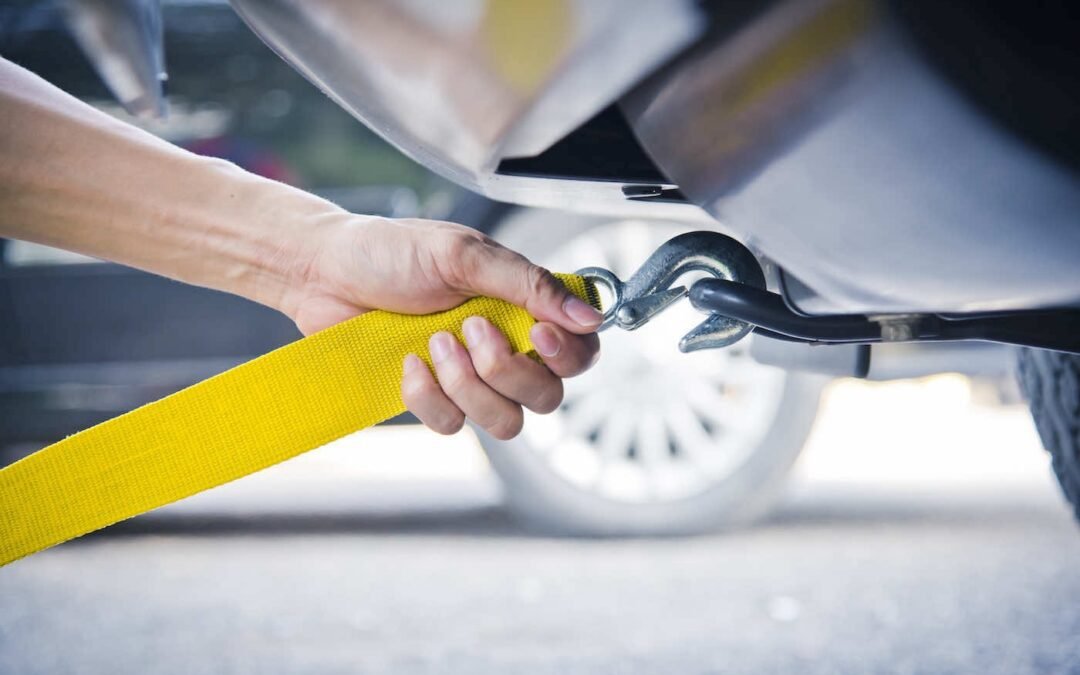
- Tow strap or chain: For emergency recovery (requires another vehicle)
- Jumper cables or battery booster pack: For dead battery situations
- Ice scraper and snow brush: For clearing windows and lights
Communication and Visibility
- Charged phone or portable battery pack: To call for help
- Warning triangles or flares: To alert other drivers if stranded
- Reflective vest: If you must exit the vehicle near traffic
If you do become stranded, our guide on what to do while waiting for help provides detailed safety instructions .
Heating and Defrosting Systems
Reliable heating and defrosting are not just comfort features—they are safety essentials in Regina winters .
Test Your Heater
Start your vehicle and run the heater on maximum temperature . Air should blow hot within 5-10 minutes . If heat is weak or takes excessive time to warm up, have your cooling system inspected for low coolant, failing thermostat, or heater core problems .
Verify Defrosters Work
Test both front and rear defrosters to ensure they clear ice and fog from windows . Rear defrosters use heated wires embedded in the glass; if sections do not clear, the heating elements may be damaged .
Replace Cabin Air Filter
A clogged cabin air filter restricts airflow from heating and defrosting vents . Replace the filter annually or according to manufacturer recommendations to maintain maximum air circulation .
Mechanical Inspections Before Winter
Several mechanical systems deserve professional inspection before winter weather arrives .
Brakes
Winter driving demands reliable braking on ice and snow . Have your brake pads, rotors, and brake fluid inspected . Worn brakes reduce stopping power precisely when traction is already compromised .
Belts and Hoses
Cold temperatures make rubber brittle . Cracked or worn serpentine belts can snap in cold weather, disabling your alternator, power steering, and water pump . Have belts and hoses inspected and replace any showing cracks, fraying, or excessive wear .
Exhaust System
Exhaust leaks allow deadly carbon monoxide to enter the passenger cabin, especially dangerous when running the engine for heat while stationary . Have your exhaust system inspected for holes, rust, or loose connections .
Suspension and Steering
Worn suspension components reduce control on slippery roads . Have shocks, struts, and steering components inspected, especially if your vehicle is more than 5 years old or has over 100,000 km .
Fuel System Preparation
Fuel system problems increase during Regina winters, leading to breakdowns that could have been prevented .
Keep Your Tank Above Half Full
Maintaining at least a half-tank of fuel prevents several winter problems :
- Reduces condensation inside the fuel tank that can freeze in fuel lines
- Provides extra fuel if you get stuck or stranded
- Adds weight over drive wheels for better traction in rear-wheel-drive vehicles
- Ensures you can run the engine for heat during unexpected delays
If you do run out of fuel, our emergency fuel delivery service operates 24/7 throughout Regina .
Use Top Tier Gasoline
Top Tier gasoline contains detergent additives that prevent carbon deposits in fuel injectors and intake valves . Clean fuel systems run more efficiently and start more reliably in cold weather .
Interior and Exterior Preparation
Protect Paint and Undercarriage
Road salt and chemical de-icers cause rust and corrosion . Before winter, wash and wax your vehicle to create a protective barrier . Consider professional rust-proofing for undercarriage protection, especially for vehicles you plan to keep long-term .
Weatherstrip Conditioning
Door weatherstripping dries and cracks in cold weather, allowing water and cold air into the cabin . Apply silicone-based weatherstrip conditioner to keep rubber seals flexible and create a better seal .
Lock Lubricant
Door locks can freeze when moisture enters the mechanism . Spray locks with graphite or silicone-based lubricant to repel moisture and prevent freezing .
If locks do freeze or you experience a lockout, our car unlock service is available 24/7 .
What Towing Companies See Most Often
Based on thousands of winter service calls, here are the most common preventable breakdowns we respond to in Regina :
Dead Batteries (40% of Winter Calls)
Batteries that tested marginal in fall fail during the first -30°C cold snap . Prevention: Test and replace weak batteries before winter .
Vehicles Stuck in Snow (25% of Winter Calls)
All-season tires lose traction on snow and ice, leaving vehicles stuck in parking lots and on unplowed roads . Prevention: Install winter tires and carry traction aids .
If you do get stuck, our winch-out service can help .
Flat Tires (15% of Winter Calls)
Potholes hidden under snow damage tires and wheels . Low tire pressure from cold temperatures increases puncture risk . Prevention: Maintain proper tire pressure and inspect for damage regularly .
Fuel Problems (10% of Winter Calls)
Running out of fuel, diesel fuel gelling, or frozen fuel lines strand drivers . Prevention: Keep tank above half full and use fuel additives for diesel .
Accidents and Collisions (10% of Winter Calls)
Poor tire traction, limited visibility, and driver error cause winter accidents . Prevention: Winter tires, defensive driving, and reduced speeds in poor conditions .
If you are involved in an accident, see our guide to accident towing in Regina for what to do next .
Frequently Asked Questions
When should I switch to winter tires in Regina?
Install winter tires when temperatures consistently drop below 7°C, typically in late October or early November . Do not wait for the first snowfall—cold pavement alone reduces all-season tire performance .
How often should I start my car in winter if I am not driving it?
If your vehicle sits unused, start it at least once per week and let it run for 15-20 minutes to maintain battery charge and circulate fluids . Ideally, take a 20-30 minute drive to fully warm the engine and recharge the battery .
Is a block heater necessary in Regina?
Block heaters are highly recommended for Regina winters . They warm the engine block and oil, making cold starts easier and reducing engine wear . Most experts recommend plugging in when temperatures drop below -15°C .
Can I use all-season tires if I have AWD or 4WD?
All-wheel drive helps you accelerate in slippery conditions but does nothing to help you stop or turn . Winter tires on an AWD vehicle provide far better traction than all-season tires, making winter tires essential regardless of drivetrain type .
How do I prevent my gas line from freezing?
Keep your fuel tank above half full to reduce condensation, use quality gasoline from reputable stations, and consider fuel line antifreeze additives if you frequently park outdoors in extreme cold .
What is the most important thing I can do to prevent winter breakdowns?
Test and replace your battery if needed . Dead batteries cause more winter breakdowns than any other single issue . A $150 battery replacement prevents hours of frustration and potential towing charges .
Should I warm up my car before driving in winter?
Modern vehicles do not require extended warm-up periods . Start the engine, wait 30-60 seconds for oil to circulate, then drive gently until the engine reaches operating temperature . Excessive idling wastes fuel and increases emissions .
When Prevention Isn’t Enough
Even perfectly maintained vehicles can experience unexpected problems during Regina’s extreme winters . When prevention fails, 24/7 roadside assistance is always available to help .
Our comprehensive services include:
- Battery boost and jump start service
- Roadside tire change
- Winch-out for stuck vehicles
- Lockout service
- Emergency fuel delivery
- Flatbed towing when repairs are needed
Service coverage extends throughout Regina including Lakeview, Glencairn, Albert Park, and Normanview, plus surrounding rural areas.
Need help right now? Call (639) 477-9924 for 24/7 roadside assistance.