Flatbed vs Wheel Lift Towing: Which Does Your Car Need?
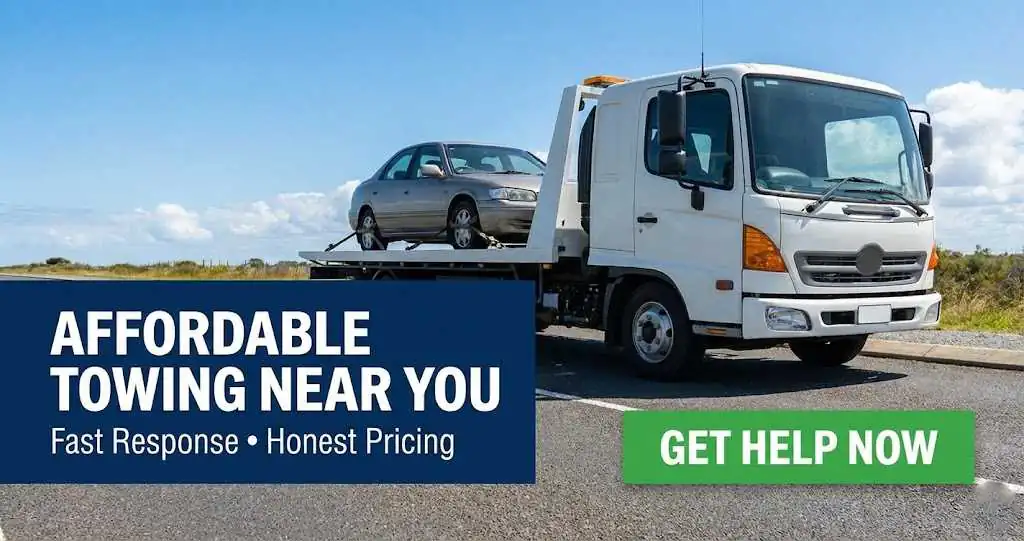
Quick Answer: A flatbed tow truck loads your entire vehicle onto a flat platform — all four wheels off the ground. A wheel-lift tow truck raises only the front or rear wheels and tows with two wheels rolling on the road. For drivers in Regina, choosing the right type matters. Flatbed is the safer choice for AWD vehicles, luxury cars, accident-damaged vehicles, and long-distance hauls. Wheel-lift is faster, cheaper, and perfectly safe for standard front-wheel-drive sedans being towed short distances. Choosing the wrong type can cause thousands of dollars in drivetrain damage.
🚛 Not sure which you need? Call (639) 477-9924 — we match the right truck to your vehicle every time.
Why the Type of Tow Truck Matters More Than Most Drivers Realize
Most people call for a tow and assume whatever truck shows up will do the job. That assumption works fine for a basic front-wheel-drive sedan being towed 5 km to a mechanic. But for an AWD vehicle, a lowered sports car, a motorcycle, or a car with accident damage, the wrong tow truck type can cause damage that costs more to repair than the tow itself.
A flatbed tow truck and a wheel-lift tow truck are fundamentally different machines that handle vehicles in fundamentally different ways. Understanding the difference helps you make an informed request when calling a towing company — and protects your vehicle from preventable damage.
At Regina Towing, we operate both flatbed and wheel-lift trucks and dispatch the correct one based on your vehicle type, condition, and destination. This guide explains everything: how each works, what each costs, and which one your car actually needs.
How Each Tow Truck Type Works
Flatbed vs Wheel Lift: Head-to-Head Comparison
Which Tow Truck Type Does Your Specific Vehicle Need?
This is the most important section of this guide. Sending the wrong truck type is one of the leading causes of towing-related vehicle damage in Regina. Here is a clear reference by drivetrain and vehicle type:
⚠️ The Expensive Mistake: Wheel-lifting an AWD vehicle without disconnecting the driveshaft spins the transfer case and transmission internals without lubrication. Even a 5 km tow can destroy components. The repair bill? $2,000 to $5,000 — far more than the $25 to $75 cost difference between a flatbed and a wheel-lift. SGI collision repair coverage may help if the wrong towing method causes damage, but prevention is always cheaper. If in doubt, always request a flatbed tow truck.
Flatbed Towing Cost vs Wheel-Lift Towing Cost in Regina
The flatbed towing cost is typically $25 to $75 more than a wheel-lift tow for the same distance. Here is what drives the price difference and why it is worth it when necessary:
For full rate details, see our tow truck cost per km guide and affordable towing rates.
💡 Think of It This Way: The cost difference between flatbed and wheel-lift is typically $35 to $75. A new transfer case for an AWD vehicle costs $2,000 to $5,000. A scratched body kit on a lowered car costs $500 to $2,000. A damaged electric motor drive unit costs $3,000+. The flatbed premium is the cheapest insurance policy you will ever pay.
Not Sure Which Truck Type You Need?
Tell us your vehicle make and model — we’ll send the right truck automatically.
When Wheel-Lift Towing Is Actually the Better Choice
Flatbed is not always necessary, and in some situations wheel-lift is genuinely the better option:
- Standard FWD sedans on short tows. A Honda Civic, Toyota Corolla, or Hyundai Elantra being towed 5 to 15 km to a mechanic is perfectly safe on a wheel-lift. The front wheels are lifted and the rear wheels roll freely with no drivetrain connection.
- Tight access situations. Parking garages, narrow streets, and underground lots sometimes do not have enough clearance or space for a flatbed to deploy its ramp. A wheel-lift truck is smaller and can maneuver into spaces a flatbed cannot reach.
- Faster response needed. Wheel-lift trucks hook up faster and are more numerous in most fleets. If speed is the priority — blocking a lane on Ring Road, for example — a wheel-lift gets the vehicle moved sooner.
- Budget is the primary concern. For a vehicle where wheel-lift is safe (FWD, no damage, short distance), the lower cost makes it the practical choice. See our affordable towing guide for more on cost-effective towing options.
When Only a Flatbed Tow Truck Will Do
There are situations where a flatbed tow is not optional — it is the only safe method. Request flatbed specifically when:
- Your vehicle is AWD (Subaru, most modern SUVs, many trucks)
- Your vehicle is RWD and the driveshaft cannot be disconnected on-site
- The vehicle has been in an accident and structural damage is unknown
- You drive a Tesla, Nissan Leaf, Chevy Bolt, or any other electric vehicle
- The vehicle is lowered, has a body kit, wide fender flares, or aftermarket exhaust
- The tow is long-distance — Regina to Saskatoon, for example
- You are transporting a motorcycle
- The vehicle has flat tires, bent wheels, or cannot roll freely
For a comprehensive look at when flatbed is the right call, see our guide on when flatbed towing is the right choice in Regina.
How to Make Sure You Get the Right Truck When You Call
When you call for a tow, these three pieces of information ensure the dispatcher sends the correct truck:
1. Tell them your exact vehicle. Make, model, and year. “2022 Subaru Outback” tells the dispatcher immediately that a flatbed is required. “Car” does not.
2. Mention the drivetrain if you know it. “It’s all-wheel drive” or “it’s rear-wheel drive” removes any guesswork. If you do not know your drivetrain, the dispatcher should look it up by make and model.
3. Describe the vehicle’s condition. Accident damage, flat tire, lowered suspension, or any modification that affects ground clearance or rolling ability helps the dispatcher choose the right equipment. A company that does not ask these questions before dispatching — as we discussed in our how to choose a towing company guide — is a red flag.
Flatbed and Wheel-Lift Towing Across Regina
Our fleet includes both flatbed and wheel-lift trucks covering all of Regina — Downtown, Harbour Landing, Albert Park, Normanview, Arcola East, University Park, Ring Road, and all surrounding highways. We also provide 24-hour service and dispatch the right truck type automatically based on your vehicle information. View our complete service area.
Frequently Asked Questions About Flatbed vs Wheel-Lift Towing
How much does flatbed towing cost in Regina?
A flatbed tow within Regina typically ranges from $100 to $275 for a standard vehicle, depending on distance. Long-distance flatbed towing rates are based on per-km pricing on top of the base fee. Call (639) 477-9924 for an exact quote based on your pickup and drop-off locations.
Is flatbed towing always safer than wheel-lift?
Flatbed eliminates all road contact, making it the safest option for any vehicle type. However, wheel-lift is perfectly safe for standard FWD vehicles on short tows. It is not a question of “safe vs unsafe” — it is a question of matching the right method to the right vehicle and situation.
Can a wheel-lift tow truck damage my AWD vehicle?
Yes. Wheel-lifting an AWD vehicle causes the wheels on the ground to spin the differential and transfer case without proper lubrication from the engine. Even a short tow can cause catastrophic drivetrain damage costing $2,000 to $5,000 in repairs. AWD vehicles must be towed on a flatbed.
Can I request a flatbed even if my car is FWD?
Absolutely. Many drivers prefer flatbed for peace of mind regardless of drivetrain. If your vehicle has sentimental value, is recently purchased, or you simply want maximum protection, requesting a flatbed is always your right. The cost difference is modest.
Should I use a flatbed for long-distance towing?
Yes. For tows over 50 km — such as Regina to Moose Jaw or Regina to Saskatoon — flatbed is strongly recommended regardless of vehicle type. Extended wheel-lift towing puts significant wear on the two rolling tires and risks overheating the transmission in vehicles without a neutral tow mode.
How do I know if my vehicle is FWD, RWD, or AWD?
Check the badge on your vehicle — many have “AWD,” “4WD,” or “4MATIC” emblems. You can also check your owner’s manual or search your make, model, and year online. When in doubt, tell the dispatcher your exact vehicle and they can look it up. If there is any uncertainty, we default to flatbed to protect your vehicle.
Can a Tesla be towed with a wheel-lift?
No. Tesla and other electric vehicles must only be towed on a flatbed. The electric motors are connected directly to the wheels — dragging them on the road can back-feed electricity into the motor and cause permanent damage. Tesla’s own manual explicitly requires flatbed-only towing.
What about hook-and-chain tow trucks — are those still used?
Hook-and-chain trucks are largely obsolete for passenger vehicles. They wrap chains around the frame or axle and drag the vehicle — which scratches paint, damages bumpers, and stresses the frame. They are occasionally used for junk car removal or impound situations where cosmetic damage is not a concern. No professional roadside towing service uses this method for customer vehicles.
Does SGI cover flatbed towing after an accident?
Yes. SGI covers reasonable towing charges after a collision, including flatbed when the vehicle type or condition requires it. If your AWD vehicle was in an accident, the flatbed cost is a justified and covered expense within your claim.
How does Regina Towing decide which truck to send?
Our dispatcher asks for your vehicle make, model, year, drivetrain, current condition, and destination. Based on that information, we automatically match the correct truck type. If your vehicle requires a flatbed, we send a flatbed — even if a wheel-lift is available sooner. Vehicle safety is never sacrificed for speed.
The Right Truck. The Right Method. Every Time.
Flatbed and wheel-lift towing across Regina — we match the truck to your vehicle.
24/7 service. Upfront pricing. No drivetrain damage.