Flat Tire in Winter? Here’s What to Do (And When to Call for Help)
You hear the unmistakable thump-thump-thump of a flat tire while driving through Regina in -20°C weather . Your hands are already cold, snow is falling, and the thought of changing a tire on the shoulder of Ring Road or in an icy parking lot feels overwhelming. Winter flat tires are not just inconvenient—they can be genuinely dangerous to fix yourself, especially in extreme cold, poor visibility, or high-traffic areas .
Flat tires spike during Regina winters due to potholes hidden under snow, road debris, and tire pressure drops from cold temperatures . Understanding when you can safely handle the situation yourself versus when to call professional tire change service can save time, prevent injury, and protect your vehicle from further damage .
Why Winter Flat Tires Are Dangerous to Fix Yourself
Changing a tire in summer on a quiet street is manageable for many drivers. But winter conditions in Regina create hazards that turn a simple tire change into a risky situation .
Frozen Lug Nuts and Equipment
Metal tools, lug wrenches, and jack handles become painfully cold in minutes . Frozen lug nuts require significantly more force to loosen, increasing the chance of stripped bolts or broken tools. Your hands lose dexterity in the cold, making it harder to grip tools properly or thread lug nuts back on correctly .
Slippery, Unstable Ground
Jacking up a vehicle on snow, ice, or slush creates instability . The jack can slip or sink, causing the vehicle to fall unexpectedly. This risk increases dramatically on roadside shoulders where the ground is uneven and compacted snow hides soft spots underneath .
Traffic Hazards and Limited Visibility
Kneeling beside your vehicle on a highway shoulder puts you dangerously close to passing traffic, especially during snowstorms when visibility drops and stopping distances increase . Drivers may not see you until it is too late, and winter conditions reduce their ability to stop or swerve safely .
Frostbite and Hypothermia Risk
A tire change typically takes 20-30 minutes under good conditions. In -20°C weather with wind chill, exposed skin can develop frostbite in under 10 minutes . Rushing to finish increases the chance of mistakes like cross-threading lug nuts, improper jack placement, or forgetting to fully tighten bolts .
Hidden Damage You Cannot See
What looks like a simple puncture from the outside may involve internal tire damage that is not visible until the tire is dismounted and inspected from the inside . Driving on a tire that appears repaired but has internal structural damage can lead to sudden failure at highway speeds .
Professional roadside assistance eliminates these risks by bringing proper equipment, trained technicians, and safe working conditions directly to you—even during Regina’s worst winter weather.
Common Causes of Winter Flat Tires in Regina
Potholes Hidden Under Snow
Regina’s freeze-thaw cycles create potholes that expand throughout winter . Fresh snow covers these hazards, making them impossible to see until you hit them. The impact can puncture the tire, bend the rim, or damage the sidewall .
Road Debris and Nails
Construction materials, broken glass, and metal debris get embedded in snow and ice . Your tires pick up these objects, and the puncture may not cause immediate deflation—many drivers discover the flat hours later when the tire has slowly leaked air .
Tire Pressure Loss From Cold
Tire pressure drops approximately 1 PSI for every 5°C temperature decrease . Under-inflated tires flex more, generate excess heat, and become more vulnerable to punctures and sidewall damage. They also reduce traction and fuel efficiency .
Curb and Sidewalk Impacts
Snow piles at intersections and parking lots hide curbs and concrete barriers. Scraping or hitting these obstacles can slice sidewalls, damage tire beads, or bend wheels—all of which cause rapid air loss .
Signs Your Tire Cannot Be Repaired
Not every flat tire can be fixed. Some damage requires immediate tire replacement for safety reasons . Understanding the difference can prevent dangerous situations and wasted repair attempts .
Sidewall Damage
Any puncture, cut, bulge, or crack in the tire sidewall cannot be safely repaired . The sidewall flexes constantly while driving and lacks the structural reinforcement of the tread area. Patches or plugs in this area will fail under stress .
Punctures Larger Than 6mm
Most tire shops follow industry standards that allow repairs only for punctures up to 6mm (approximately 1/4 inch) in diameter . Larger holes compromise the tire’s structural integrity and cannot be reliably sealed .
Multiple Punctures Close Together
If punctures are closer than 40cm apart, the tire usually cannot be repaired . Multiple weak points reduce overall tire strength and increase the risk of failure .
Damage From Driving While Flat
Driving on a completely flat or severely under-inflated tire crushes the internal structure and damages sidewalls from the inside . Even if the original puncture was repairable, this additional damage often makes replacement necessary .
Bulges or Blisters on the Sidewall
Visible bulges or blisters indicate internal tire failure where the fabric layers have separated . These are signs of imminent tire failure and require immediate replacement—do not drive on a tire showing these symptoms .
Tread Depth Below Safety Limits
If your tire tread is worn below 4/32 inch (3mm), most professionals recommend replacement rather than repair . Even a successful patch will not restore traction, and the tire has limited remaining lifespan anyway .
How Professional Tire Change Service Works
When you call for professional tire change service in Regina, here is what happens from dispatch to completion .
1. Fast Dispatch and Location Confirmation
Roadside tire service operates 24/7 with mobile dispatch systems. You provide your location, vehicle type, and a description of the problem. The dispatcher sends the nearest available service vehicle and provides an estimated arrival time—typically 20-40 minutes depending on weather and traffic.
2. Safe Setup With Proper Equipment
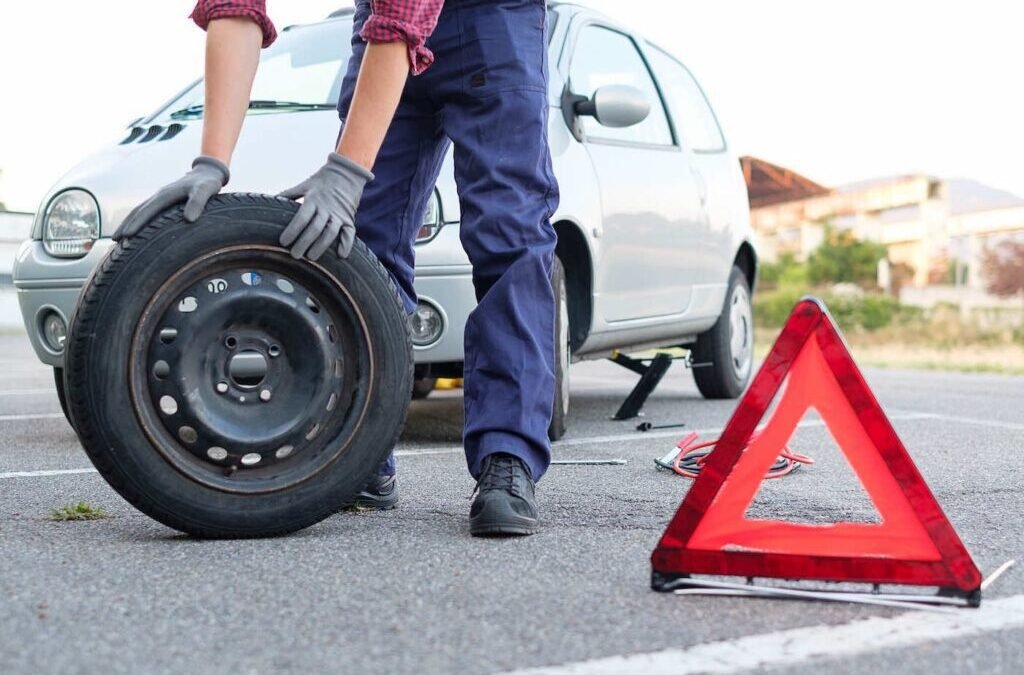
The technician arrives with professional tools designed for roadside use: heavy-duty jacks, impact wrenches, protective gloves, and safety equipment. They position the service vehicle to shield you from traffic and set up warning triangles or flares for visibility .
3. Tire Removal and Spare Installation
The technician safely jacks up your vehicle, removes the damaged tire, and installs your spare. They torque the lug nuts to manufacturer specifications to ensure the wheel is properly secured . The entire process typically takes 15-20 minutes in normal conditions.
4. Inspection and Recommendations
Before finishing, the technician inspects the damaged tire to determine if it is repairable or needs replacement. They check your spare’s air pressure and condition, advise you on safe driving speed (most spares are rated for 80 km/h maximum), and recommend visiting a tire shop for permanent repair or replacement .
5. Towing Option If No Spare Available
If your spare tire is missing, damaged, or flat, the technician can arrange immediate flatbed towing to transport your vehicle to a nearby tire shop. This prevents you from being stranded and eliminates the need for multiple service calls.
Spare Tire vs. Roadside Repair: What to Expect
Understanding the difference between spare tire installation and permanent tire repair helps set realistic expectations when you have a flat .
Temporary Spare Tires (Donut Spares)
Most modern vehicles come with compact temporary spares designed for short-distance emergency use . These smaller tires are lighter and save trunk space but have significant limitations:
- Maximum speed of 80 km/h
- Maximum distance of 80-100 km
- Reduced traction compared to full-size tires
- Different handling characteristics that can affect braking and steering
Professional tire change service installs your spare to get you to a tire shop safely—it is not a permanent solution .
Full-Size Spare Tires
Some trucks, SUVs, and older vehicles include full-size spare tires that match your regular tires. These can be driven normally without speed or distance restrictions . However, you should still have the damaged tire repaired or replaced promptly to maintain a working spare for future emergencies.
Tire Plug Kits and Sealants
Temporary tire plug kits and aerosol sealants are marketed as quick fixes for punctures . While these can work in emergencies, they have serious limitations:
- They only seal small punctures in the tread area—not sidewall damage
- They do not address internal tire damage that may exist
- They can make professional repairs more difficult or impossible
- They may damage tire pressure monitoring sensors (TPMS)
- They are not safe for highway driving or long distances
Most tire professionals recommend against using plug kits or sealants except as a last resort to reach a repair facility .
Professional Tire Repair
Permanent tire repair requires dismounting the tire from the wheel to inspect both the outside and inside for damage . A proper repair involves:
- Removing the tire from the rim
- Inspecting the interior for hidden damage
- Cleaning and preparing the puncture area
- Installing a combination patch-plug repair from the inside
- Rebalancing the tire
- Remounting and inflating to proper pressure
When done correctly, a professional tire repair lasts for the remaining life of the tire . This level of service requires shop equipment and cannot be performed roadside.
When to Call for Help Instead of DIY
Knowing when to call professional tire change service versus attempting DIY can prevent injuries and vehicle damage .
| Situation | DIY Tire Change | Call Professional Service |
|---|---|---|
| Flat tire in your driveway, mild weather | ✔ If experienced and have tools | ✔ Safer option if unsure |
| Flat tire on highway shoulder or busy road | ✖ Dangerous traffic exposure | ✔ Always the safer choice |
| Temperature below -10°C | ✖ Frostbite and frozen equipment risk | ✔ Technicians have proper gear |
| Multiple passengers or children in vehicle | ✖ Safety risk keeping them roadside | ✔ Keeps everyone inside and safe |
| No spare tire or spare is also flat | ✖ Cannot complete tire change | ✔ Includes towing option |
| Sidewall damage or large puncture | ✖ Tire cannot be driven on spare alone | ✔ Towing to tire shop needed |
| Poor visibility or active snowfall | ✖ Dangerous working conditions | ✔ Professional equipment and visibility |
If any doubt exists about your safety, the weather conditions, or your ability to complete the tire change properly, calling for professional help is always the right decision .
Preventing Winter Tire Problems
While flats cannot always be avoided, several preventive measures reduce your risk during Regina winters .
Check Tire Pressure Weekly
Cold temperatures cause tire pressure to drop continuously throughout winter . Check all four tires plus your spare weekly using a reliable pressure gauge. Inflate to the pressure shown on your vehicle’s door jamb sticker—not the maximum pressure printed on the tire sidewall .
Use Winter Tires
Winter tires maintain flexibility in cold temperatures and provide significantly better traction than all-season tires . They also resist punctures better due to their specialized rubber compounds designed for cold weather performance .
Inspect Tread Depth Monthly
Worn tires are more vulnerable to punctures and lose effectiveness in snow and ice . Use a tread depth gauge or the penny test—insert a penny into the tread with Lincoln’s head upside down. If you can see the top of his head, your tires need replacement .
Avoid Potholes and Road Debris
Drive cautiously through areas with poor visibility or heavy snow coverage . When you cannot avoid a pothole, slow down significantly—hitting a pothole at slower speeds dramatically reduces impact damage .
Keep Emergency Supplies in Your Vehicle
Even if you plan to call for professional service, having emergency supplies provides safety and comfort while waiting :
- Charged phone or portable battery pack
- Warm blankets and extra winter clothing
- Flashlight with fresh batteries
- Warning triangles or flares
- Basic first aid kit
- Non-perishable snacks and water
For more winter preparation tips, read our guide on how Regina winters affect your car.
What to Do Immediately After Discovering a Flat Tire
If You Are Driving When the Tire Goes Flat
Do not slam on the brakes or make sudden steering movements . Gradually reduce speed, turn on your hazard lights, and carefully steer to the shoulder or a safe parking area. Avoid hard braking or sharp turns that could cause loss of control .
If You Discover the Flat While Parked
Do not attempt to drive on a completely flat tire . Driving even short distances on a flat causes severe internal damage that makes the tire unrepairable and can damage your wheel . Call for service instead.
Stay Safe While Waiting
If you are on a roadside shoulder, remain inside your locked vehicle with seatbelts fastened . This protects you from passing traffic and provides shelter from weather. Only exit if you can safely move to a location well away from traffic flow .
For detailed safety guidance while waiting for help, see our article on what to do while stranded in Regina.
Additional Roadside Services Available
Flat tire situations sometimes reveal other problems that need attention before you can safely continue driving.
Battery Boost After Prolonged Stop
If you left your hazard lights on for an extended period while dealing with the flat tire, your battery may be drained. Roadside teams can provide battery boost service on the spot to get you started again.
Towing When Tire Cannot Be Changed
If your vehicle has sustained wheel damage, has no usable spare, or the tire damage is too severe to drive on a spare, professional towing service can transport your vehicle directly to a tire shop or repair facility.
Fuel Delivery for Extended Waits
If you ran low on fuel while waiting for help or used significant fuel running the engine for heat, roadside assistance can provide emergency fuel delivery to ensure you reach a gas station safely.
Frequently Asked Questions
How much does professional tire change service cost in Regina?
Roadside tire change service typically costs between $60-$100 depending on your location, time of day, and weather conditions. Many auto insurance policies and roadside assistance memberships include tire change coverage at no additional cost .
How long does it take to change a flat tire professionally?
Most professional tire changes are completed in 15-25 minutes once the service vehicle arrives. Response time varies based on your location and current weather—typically 20-40 minutes in Regina during normal conditions.
Can I drive on my spare tire to work the next day?
Temporary spare tires (donuts) are designed only for immediate transport to a tire shop—typically 80 km maximum distance at speeds no higher than 80 km/h . Full-size spare tires can be driven normally but should be replaced or rotated with a repaired tire as soon as possible to maintain a working spare.
What if my flat tire happens in the middle of the night?
Professional roadside assistance operates 24/7 including overnight hours. While response times may be slightly longer during peak winter storm periods, help is always available regardless of the time.
Is it safe to use tire sealant from a can?
Aerosol tire sealants can provide temporary solutions for small punctures in the tread area, but they do not repair the tire and may make professional repair impossible . They can also damage tire pressure monitoring sensors. Use them only as a last resort to reach a repair facility .
Will professional tire change service work on my vehicle if I have locking lug nuts?
Yes, but you must have the locking lug nut key available. The technician cannot remove the wheel without it. Keep your locking lug nut key in your glove box or with your vehicle’s tool kit—not at home.
What should I do if I get a flat tire during a blizzard?
Stay in your vehicle with hazard lights on, call for professional help, and wait safely inside with the engine running periodically for heat. Make sure your exhaust pipe is not blocked by snow. Do not attempt to change the tire yourself in blizzard conditions .
Get Professional Tire Change Service in Regina Now
Do not risk your safety trying to change a flat tire in dangerous winter conditions. Professional tire change service in Regina operates 24/7 with fast response times, proper equipment, and trained technicians who handle tire changes safely regardless of weather, location, or time of day .
Whether you are stuck on Ring Road, in a parking lot, or at home, help arrives quickly with everything needed to get you back on the road:
- 20-40 minute average response time
- Professional jacks and impact tools
- Safe tire removal and spare installation
- Spare tire inspection and pressure check
- Towing available if spare is unavailable
- Upfront pricing with no hidden fees
For complete emergency roadside assistance including tire changes, battery boosts, and winch-out service, we are here 24/7.
Need tire change service right now? Call (639) 477-9924 for immediate help.