Battery Boost Service Regina: Fast Help When Your Car Won’t Start This Winter
Your car won’t start. You turn the key, hear a clicking sound, and nothing happens. It’s -16°C outside, you’re already running late, and your vehicle is completely dead in your driveway or a parking lot. This scenario plays out hundreds of times every winter across Regina—and a professional battery boost service is often the fastest solution.
When temperatures drop below -10°C, car batteries lose up to 60% of their starting power. Combined with increased electrical demands from heaters, defrosters, and headlights, winter creates the perfect storm for dead batteries. Here’s everything you need to know about battery boost services in Regina, when you need one, and how to get help fast.
What Is a Battery Boost Service?
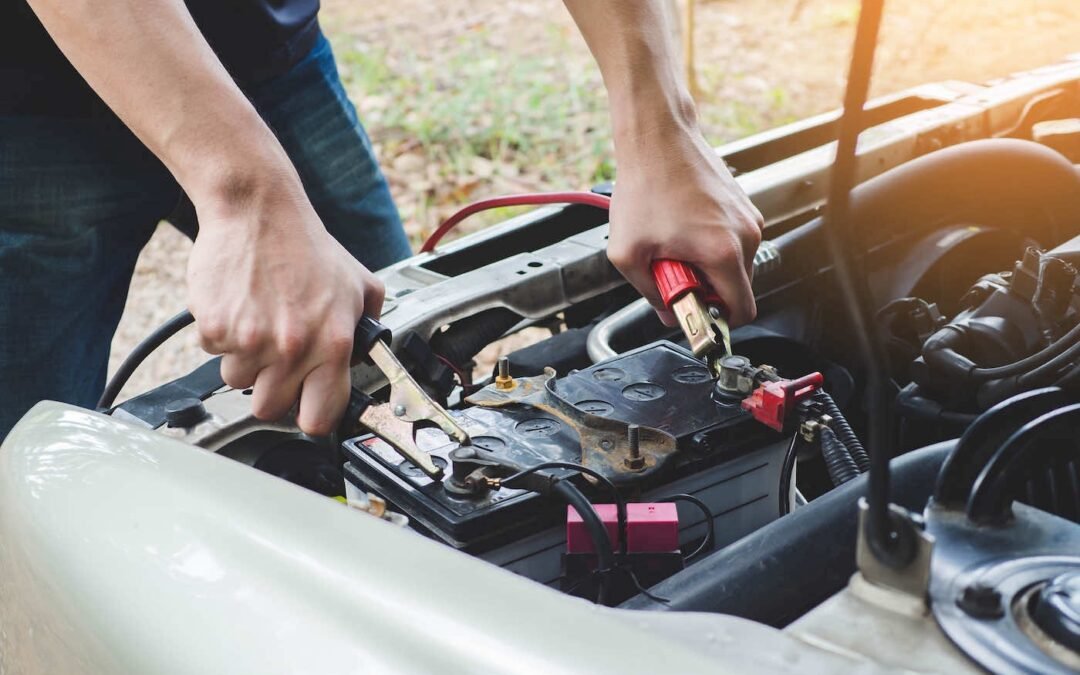
A battery boost (also called a jump start) delivers electrical current from an external power source to your dead or weak battery, restoring enough voltage to restart your engine. Unlike DIY methods using jumper cables and a friend’s car, professional roadside assistance teams use commercial-grade battery boosters designed for extreme cold.
Professional battery boost services include:
- High-amperage booster packs that work in temperatures below -30°C
- Proper connection techniques to prevent electrical system damage
- Battery testing tools to determine if replacement is needed
- 24/7 mobile service delivered directly to your location
The entire process typically takes 10-15 minutes from arrival to engine restart, getting you back on the road quickly and safely.
Why Regina Winters Are So Hard on Car Batteries
Regina’s winters are notorious for killing car batteries. When the temperature hits -15°C or lower, the chemical reactions inside your battery slow dramatically. At -18°C, a fully charged battery loses approximately 40% of its strength. At -32°C, that number jumps to 60%.
Meanwhile, cold engine oil thickens, requiring nearly twice the power to turn over the engine. The result? Your weakened battery simply can’t deliver enough current to start the car. This is especially common with:
- Batteries older than 3-4 years
- Vehicles parked outdoors overnight
- Cars with corroded or loose battery terminals
- Vehicles that make frequent short trips (battery never fully recharges)
If you’ve experienced battery problems during Regina’s winter months, you’re not alone. Professional winter towing and roadside services see a 300% increase in battery-related calls between November and March.
Battery Boost vs. Battery Replacement: How to Decide
Not every dead battery needs replacement. Sometimes a simple boost is enough to get your vehicle running again. Here’s how to tell the difference:
When a Battery Boost Is Enough
- Your battery is less than 3 years old
- You accidentally left interior lights or accessories on overnight
- The vehicle has been sitting unused for several weeks
- Your car starts and runs normally after the boost
- Dashboard lights appear bright and responsive after boosting
When You Need Battery Replacement
- Your battery is 4+ years old
- The car struggles to start even after a fresh boost
- You notice a sulfur or rotten egg smell near the battery
- Battery terminals show heavy corrosion or white/blue buildup
- The battery case appears swollen, cracked, or leaking
- Your vehicle needs frequent jump starts (more than once per month)
Professional battery boost technicians can test your battery’s voltage and cold cranking amps (CCA) on-site, helping you make an informed decision. If replacement is needed, many breakdown towing services can transport your vehicle directly to a mechanic or auto parts store.
How Professional Battery Boost Service Works
When you call for a battery boost in Regina, here’s exactly what happens:
1. Fast Dispatch to Your Location
Professional services operate 24/7 with GPS-enabled dispatch systems. Whether you’re stuck at home, in a grocery store parking lot, or on the shoulder of Ring Road, help typically arrives within 20-30 minutes depending on weather and traffic conditions.
2. Safe Vehicle Assessment
The technician inspects your battery for visible damage, corrosion, or leaks. They’ll also check that your vehicle is in park (automatic) or neutral (manual) with the parking brake engaged before beginning the boost process.
3. Proper Connection Procedure
Using commercial-grade booster cables, the technician connects:
- Red (positive) cable to your battery’s positive terminal
- Black (negative) cable to a grounded metal surface away from the battery
This sequence prevents sparks near the battery, reducing the risk of explosion from hydrogen gas buildup—a real concern in extreme cold when batteries are more likely to vent gas.
4. Engine Start and Battery Test
Once connected, the booster pack delivers high-amperage current for 2-3 minutes, then the technician attempts to start your engine. If successful, they’ll test the battery voltage and charging system to ensure everything is functioning properly.
5. Recommendations and Next Steps
Based on the battery test results, you’ll receive clear guidance on whether to drive immediately to recharge the battery, schedule a replacement, or simply continue normal use. Most technicians recommend driving for at least 20-30 minutes after a boost to allow the alternator to recharge the battery.
Common Winter Battery Problems in Regina
Slow Engine Crank
You turn the key and hear the engine turning over slowly—”rr-rr-rr-rr”—before it finally starts (or doesn’t). This indicates a weak battery struggling to deliver enough current. Common during early morning starts when overnight temperatures dip below -20°C.
Clicking Sound With No Start
A rapid clicking noise when you turn the key means your battery has some charge, but not enough to engage the starter motor. This often happens after leaving dome lights or accessories on overnight, or with batteries nearing the end of their lifespan.
Dashboard Lights Dim or Flicker
Weak or flickering dashboard lights when you turn the ignition indicate insufficient battery voltage. This symptom often appears gradually over several days or weeks as battery capacity declines during cold weather.
Engine Starts, Then Dies Immediately
If your engine fires up briefly but shuts off within seconds, the problem may extend beyond the battery. A failing alternator, corroded terminals, or loose battery cables could be preventing proper charging. In these cases, a simple boost won’t solve the underlying issue—you’ll need professional towing to a repair facility.
What to Do While Waiting for Battery Boost Service
Once you’ve called for help, follow these steps to stay safe and make the process smoother:
Stay in Your Vehicle (If Safe)
In -15°C weather or colder, stay inside your locked vehicle with emergency flashers on. If you’re in a parking lot or safe area, this provides protection from wind chill and passing traffic. For detailed safety guidance, read our article on what to do while waiting for roadside help.
Share Your Exact Location
Provide clear landmarks or GPS coordinates to the dispatcher. Mention nearby businesses, street intersections, or parking lot sections. The more specific you are, the faster help arrives.
Turn Off All Accessories
Switch off the radio, heater, headlights, and any other electrical accessories. This reduces the load on your battery and improves the chances of a successful boost on the first attempt.
Have Your Keys Ready
The technician will need immediate access to your ignition once the booster is connected. Having your keys ready speeds up the process and gets you back on the road faster.
DIY Jump Start vs. Professional Battery Boost Service
While DIY jump starting is possible with jumper cables and another vehicle, professional battery boost services offer several advantages during Regina winters:
| Factor | DIY Jump Start | Professional Service |
|---|---|---|
| Equipment | Requires another vehicle and cables | High-power commercial boosters |
| Cold Performance | Limited in extreme temperatures | Rated for -30°C and below |
| Safety | Risk of incorrect connection or sparks | Trained technicians with proper procedures |
| Battery Testing | No diagnostic capability | Voltage and CCA testing included |
| Convenience | Depends on finding another driver | Arrives at your location 24/7 |
| Electrical Protection | Potential for computer/sensor damage | Surge-protected equipment |
For modern vehicles with sensitive electronics, computerized systems, and push-button starts, professional service reduces the risk of costly electrical damage. One improperly executed DIY jump can fry control modules that cost hundreds or thousands to replace.
Preventing Winter Battery Problems
While battery boost services are always available when you need them, prevention can save time and frustration:
Test Your Battery Before Winter
Have your battery tested in September or October. Most auto parts stores and mechanics offer free testing. If your battery is 3+ years old and showing signs of weakness, replace it before the first deep freeze.
Keep Terminals Clean
Corrosion on battery terminals reduces conductivity and makes starting harder. Clean terminals with a wire brush and baking soda solution, then apply terminal protector spray to prevent future buildup.
Use a Battery Blanket or Block Heater
If your vehicle is parked outdoors overnight, a battery blanket or engine block heater keeps critical components warm, making cold starts significantly easier. This small investment can extend battery life by 1-2 years in harsh climates.
Drive Regularly and Avoid Short Trips
Batteries recharge through the alternator while the engine runs. Frequent short trips (under 10 minutes) don’t give the alternator enough time to fully recharge the battery, especially when heaters and defrosters are running. Aim for at least one 20-30 minute drive per week.
Park in a Garage When Possible
Even an unheated garage provides protection from wind chill and extreme temperatures, making winter starts easier and extending battery life.
When Your Car Needs More Than a Boost
Sometimes a dead battery is a symptom of a larger problem. If any of these situations apply, you’ll need professional towing service rather than just a battery boost:
- The engine won’t crank even after a successful boost
- You smell burning rubber, plastic, or electrical components
- You see smoke coming from under the hood
- Warning lights remain on after the boost (check engine, battery, or ABS lights)
- The steering wheel is locked and won’t turn
- You hear grinding, clunking, or metal-on-metal sounds when attempting to start
These symptoms often indicate starter motor failure, alternator problems, or more serious mechanical issues. For guidance on when towing is the better option, check out our article on 5 signs your car needs a tow, not just a boost.
Battery Boost Service Across Regina
Professional battery boost service is available throughout Regina and surrounding areas, including:
- Downtown Regina and warehouse district
- Ring Road and Highway 1 corridors
- Residential neighborhoods like Lakeview, Glencairn, and Albert Park
- Shopping centers including Cornwall Centre and Southland Mall
- Industrial areas and business parks
- Rural properties and acreages within 30km of the city
No matter where you’re stranded, 24/7 mobile battery boost service ensures help arrives quickly—even during blizzards, holidays, and overnight hours.
Frequently Asked Questions
How long does a battery boost take?
From arrival to engine restart, most battery boosts take 10-15 minutes. The technician connects the booster, waits 2-3 minutes for the battery to accept charge, attempts the start, and performs a quick voltage test before disconnecting.
Can I boost my car if the battery is frozen?
No. A frozen battery can crack or explode if you attempt to boost it. If your battery is frozen solid (you can’t hear liquid sloshing inside when you gently rock it), do not attempt a boost. Instead, call for 24-hour towing service to transport your vehicle to a warm garage where the battery can safely thaw.
How much does battery boost service cost in Regina?
Professional battery boost service typically costs between $60-$100 in Regina, depending on your location, time of day, and weather conditions. After-hours and holiday service may include a small surcharge. Many roadside assistance plans and auto insurance policies include battery boost coverage at no additional charge.
Do I need to drive immediately after a boost?
Yes. After a successful boost, drive continuously for at least 20-30 minutes to allow your alternator to recharge the battery. Avoid shutting off the engine during this time, as you risk another dead battery situation. Highway driving is ideal for recharging.
What if my car won’t start even after a boost?
If your engine won’t turn over after a professional boost, the problem may be your starter motor, alternator, fuel system, or ignition. In these cases, breakdown towing to a mechanic is the next step. The technician can help arrange towing service immediately.
Can battery boost service damage my vehicle’s electronics?
When performed by trained professionals using proper equipment, battery boost service is safe for modern vehicles with sensitive electronics. Professional-grade boosters include surge protection and voltage regulation to prevent electrical spikes that could damage computers, sensors, or modules.
Is battery boost service available in extreme cold (-30°C or lower)?
Yes. Professional battery boost services in Regina operate year-round, including during extreme cold snaps. Commercial-grade booster packs are specifically designed to function in temperatures below -30°C, ensuring reliable service even in the harshest winter conditions.
Get Fast Battery Boost Service in Regina Now
Don’t let a dead battery leave you stranded in the cold. Professional battery boost service in Regina operates 24 hours a day, 7 days a week—even on holidays and during blizzards. Fast dispatch, expert technicians, and commercial-grade equipment ensure you’re back on the road quickly and safely.
Whether you’re stuck at home, work, or anywhere across Regina, help is just one phone call away. Our team provides:
- 20-30 minute average response time
- Professional battery testing and diagnostics
- Safe, surge-protected boosting equipment
- Transparent pricing with no hidden fees
- Friendly, courteous service every time
For complete roadside assistance services including battery boosts, tire changes, lockout service, and emergency towing, visit our services page or call now.
Need a battery boost right now? Call (639) 477-9924 for immediate help.