Heavy Duty Towing Regina: When You Need More Than a Standard Tow Truck
When a compact car breaks down in Regina, a standard tow truck is usually enough. But when a fully loaded semi, city bus, RV, or cube van is disabled on Ring Road or Highway 1, you need something much stronger. Heavy duty towing is a specialized service designed for big rigs, commercial fleets, motorhomes, and oversized vehicles that exceed the safe limits of a regular tow truck.
In this guide, you will learn what qualifies as heavy duty towing in Regina, how heavy tow trucks differ from light-duty trucks, when RV and motorhome owners should request heavy equipment, and what commercial drivers and fleet managers need to know about safe recovery and transport.
What Counts as Heavy Duty Towing?
Heavy duty towing refers to recovering and transporting vehicles that are too large, too heavy, or too complex for standard light-duty or medium-duty tow trucks. These vehicles typically include:
- Tractor-trailers and semi-trucks (with or without trailers)
- Dump trucks, cement mixers, and construction trucks
- City and school buses, shuttle buses, and coaches
- Large RVs and diesel pushers
- Cube vans, straight trucks, and refrigerated trucks
- Fire trucks, service trucks, and utility vehicles
- Heavy equipment and machinery that can be safely winched or loaded
As a general rule, any vehicle over roughly 10,000–14,000 pounds (GVWR) or with multiple axles often falls into the medium or heavy duty category. Once you are in the realm of semis, buses, and large diesel motorhomes, you are firmly in heavy duty towing territory.
Heavy Duty Equipment: Rotators, Wreckers & Specialized Rigs
Heavy duty towing relies on specialized trucks that are significantly larger and more capable than standard breakdown towing units. The main types of heavy equipment include:
Heavy Duty Wreckers
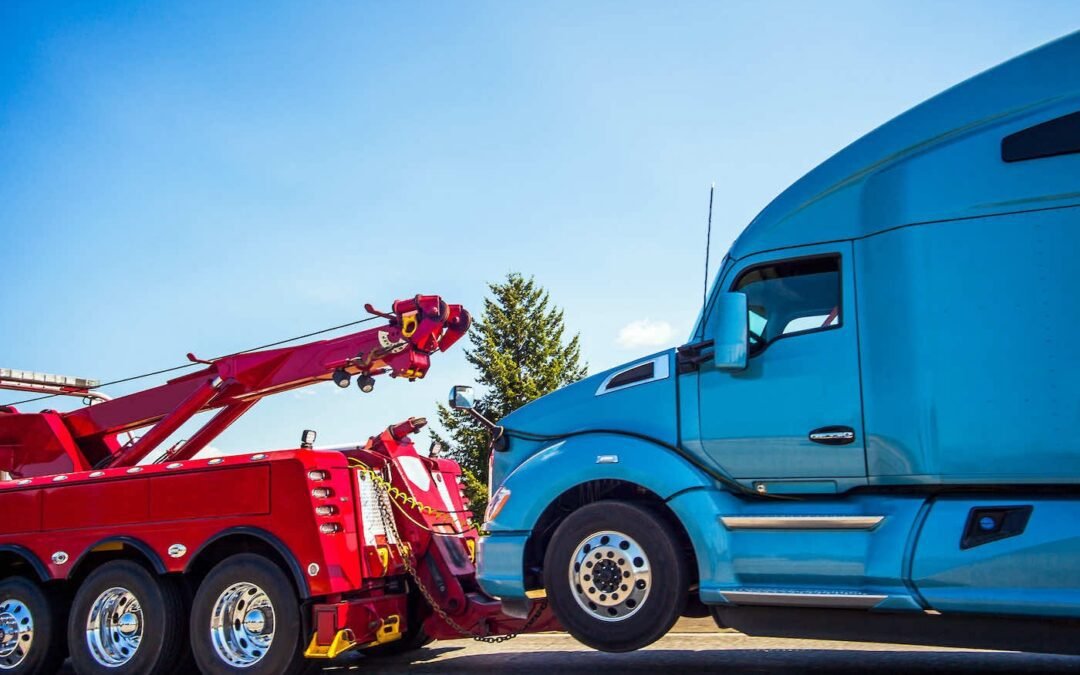
A heavy duty wrecker is a powerful tow truck with a large boom, winches, and underlift capable of lifting and towing the front or rear of big vehicles. Key features include:
- High-capacity booms rated for tens of thousands of pounds
- Twin or triple winches for controlled pulls and recoveries
- Underlift arms that cradle axles or frames on semis, buses, and trucks
- Stabilizing outriggers to keep the truck anchored during lifts
These trucks are used for straight-line towing, highway breakdowns, and many upright recoveries where the vehicle is reachable from the roadway or shoulder.
Rotators
Rotators are the “heavy hitters” of the towing world. They look similar to wreckers but with a boom that can rotate 360 degrees. This added capability allows operators to lift and move heavy vehicles from the side instead of only from the front or rear. Rotators are ideal when:
- A semi has rolled into a ditch or median and must be lifted and rotated back onto the road
- A bus or RV needs to be recovered from an awkward angle
- Recovery space is limited (bridges, tight shoulders, steep embankments)
- Loads must be lifted off trailers for reloading or salvage
Because rotators can lift and swing heavy loads without repositioning the truck, they are essential for complex recoveries where safety and control are critical—similar to specialized winch-out recovery but on a much larger scale.
Support Vehicles and Recovery Tools
Heavy duty towing operations often bring additional equipment, including:
- Air cushion recovery systems for rolling loaded trucks back upright
- Skates, cribbing, and rigging for moving damaged vehicles
- Specialized dollies for moving disabled axles
- Lighting and traffic control equipment for safe roadside work
These tools allow recovery teams to handle everything from simple breakdowns to major accident towing scenes involving multiple heavy vehicles.
When Your Vehicle Needs Heavy Duty Towing
Knowing when to request heavy duty service instead of a standard tow can prevent additional damage and save time. Here are the main scenarios where heavy duty towing is the right choice.
Semis, Tractors, and Combination Units
Any breakdown involving a tractor-trailer, tandem axle truck, or loaded commercial unit should be treated as a heavy duty job. These vehicles require properly rated underlift arms, air brake expertise, and operators familiar with coupling/uncoupling trailers, driveline considerations, and weight distribution.
RVs, Motorhomes & Diesel Pushers
Large RVs and motorhomes, especially Class A diesel pushers, are significantly heavier and longer than typical passenger vehicles. They also have low ground clearance, long rear overhangs, and delicate bodywork. Heavy duty towing is needed when:
- Your RV cannot move under its own power (engine, transmission, or axle failure)
- You have a large Class A or diesel pusher with air brakes
- The RV is stuck, off-road, or involved in a collision
- A flatbed or landoll-style trailer is recommended for full carry transport
Using light-duty equipment on a large RV risks damage to the frame, suspension, body panels, and drivetrain. When in doubt, ask specifically for RV or motorhome-capable heavy duty equipment.
Buses and Passenger Coaches
City buses, school buses, shuttle buses, and tour coaches require heavy duty tow trucks with proper frame or axle lift points, as well as operators trained in safely handling high-center-of-gravity vehicles. These vehicles are often towed to transit yards, school division garages, or specialized repair facilities.
Medium and Heavy Commercial Trucks
Vehicles such as cube vans, delivery trucks, straight trucks, dump trucks, and cement mixers fall into the medium-to-heavy range. Even if they seem smaller than highway semis, their weight, axle configuration, and loaded condition often demand heavy duty gear similar to what’s used for commercial breakdown towing.
Loaded or Specialized Vehicles
A truck that might be towable when empty may require heavy duty equipment when fully loaded. Examples include:
- Refrigerated trucks with full cargo
- Service trucks carrying tools, welders, or heavy equipment
- Construction trucks loaded with gravel, asphalt, or materials
Whenever load weight or center of gravity is a concern, heavy duty towing is safer for both the vehicle and everyone on the road.
Heavy Duty Towing vs. Standard Towing
Heavy duty and light-duty towing look similar from a distance, but they are very different in capability, training, and risk. Here’s a simple comparison:
| Factor | Standard Tow Truck | Heavy Duty Tow Truck |
|---|---|---|
| Vehicle Types | Cars, SUVs, light pickups | Semis, buses, RVs, heavy trucks |
| Weight Capacity | Up to light/medium GVWR ranges | High-capacity booms and underlifts |
| Equipment | Wheel-lift, small flatbed | Large wreckers, rotators, heavy winches |
| Typical Use | Local breakdowns, light accidents | Commercial breakdowns, rollovers, complex recovery |
| Operator Training | Light-duty towing procedures | Advanced recovery, air brakes, load rigging |
| Risk if Misused | Limited potential damage | Severe damage if incorrect equipment used |
Trying to use light-duty equipment on heavy vehicles can bend frames, damage drivetrains, overload braking systems, and create serious safety hazards. When weight, size, or configuration is beyond normal, heavy duty towing is the only smart option.
RV and Motorhome Towing in Regina
Regina and surrounding Saskatchewan highways see a lot of RV traffic in spring, summer, and early fall. When a large motorhome breaks down, RV owners need more than a basic tow—they need safe handling for a rolling home filled with personal belongings.
Special Considerations for RV Towing
- Length and Overhang: Many Class A motorhomes have long rear overhangs that can scrape or drag if not towed at the correct angle.
- Low Ground Clearance: Generators, storage compartments, and plumbing often sit low and can be damaged by improper lift points.
- Drivetrain Layout: Diesel pushers with rear engines and rear drive axles must be towed correctly to avoid transmission and driveline damage.
- Interior Contents: RVs carry dishes, electronics, furniture, and personal items that need stable, smooth transport.
Experienced heavy duty operators know where to hook, how to lift, and which method (underlift vs. full flatbed towing or lowboy trailer) is best for each RV type. When you call, always mention that the vehicle is an RV or motorhome and provide the class (A, B, or C) and approximate length.
Commercial Fleets, Buses & Municipal Vehicles
For businesses and public agencies, vehicle downtime is expensive. Heavy duty towing is a critical support service for:
- Trucking companies and owner-operators
- Delivery and logistics fleets
- Construction and paving contractors
- Transit and school bus fleets
- Municipal and utility departments
Why Professional Heavy Duty Towing Matters for Fleets
- Reduced Downtime: Fast response and safe recovery get your vehicles back into service sooner.
- Damage Prevention: Proper rigging and lifting reduce the risk of secondary damage during towing.
- Compliance: Heavy duty tow operators understand air brake systems, driveline considerations, and regulatory requirements.
- Accident Management: After collisions, experienced teams coordinate with police, clean up scenes, and move disabled units safely using specialized accident recovery procedures.
Many fleets choose a preferred heavy duty towing provider and keep their number on every truck, allowing drivers to call directly when breakdowns occur—similar to having 24/7 roadside assistance available for commercial operations.
Weight Limits and Vehicle Classes
Heavy duty towing is closely tied to vehicle weight and classification. While exact numbers vary by jurisdiction and equipment, a general breakdown looks like this:
- Light Duty: Passenger vehicles, small SUVs, half-ton pickups
- Medium Duty: Larger vans, box trucks, small buses, some service trucks
- Heavy Duty: Full-size semis, large RVs, city buses, dump trucks, heavy construction units
If you are unsure which category your vehicle falls into, you can check the gross vehicle weight rating (GVWR) on the door jamb sticker or registration. When calling for service, providing GVWR or at least the vehicle type and whether it’s loaded or empty helps dispatch send the right truck.
What Happens During a Heavy Duty Tow?
Heavy duty towing follows a structured process to maximize safety and minimize risk.
1. Dispatch and Assessment
When you call for help, dispatch will ask detailed questions: vehicle type, location, condition (upright, rolled over, jackknifed), whether it’s loaded, and any hazards present (leaks, cargo shift, traffic blocking). This information determines whether to send a heavy wrecker, rotator, or multiple units.
2. Scene Safety and Traffic Control
On arrival, operators prioritize safety. They position trucks for maximum stability, deploy cones or flares, and coordinate with police or highway patrol if lanes must be closed. For major incidents, additional support vehicles may help with traffic control and lighting—similar to safety protocols used in accident towing situations.
3. Rigging and Recovery
Using chains, straps, snatch blocks, and winches, operators carefully rig the vehicle for recovery or lift. For rollovers, this may involve upright techniques using multiple anchor points. For ditch recoveries, rotators or heavy wreckers winch and lift the unit back to the road surface using techniques similar to professional winch-out service but scaled up for much larger vehicles.
4. Preparing for Tow
Before towing, operators may:
- Disconnect or remove drive shafts when necessary
- Secure loose panels or cargo
- Address air lines, brake settings, and steering locks
- Ensure lights and markings are visible for the tow
5. Transport to Destination
Finally, the vehicle is towed or transported to a repair facility, yard, or other destination. Heavy duty operators adjust speed and route based on weight, weather, and road conditions to ensure safe arrival—often coordinating with long distance towing protocols for journeys beyond Regina city limits.
When to Call Heavy Duty Towing in Regina
If you are unsure whether you need heavy duty service, use these simple guidelines:
- The vehicle is a semi, big rig, bus, or full-size RV
- The vehicle has multiple axles and/or air brakes
- The unit is fully loaded with cargo or equipment
- The vehicle has rolled, jackknifed, or left the roadway
- A standard tow truck operator has already said the job is too large
When you call, be ready to share:
- Vehicle type (e.g., “tandem axle dump truck,” “40-foot diesel pusher RV”)
- Loaded or empty and approximate weight
- Exact location and whether lanes are blocked
- Any obvious damage to axles, wheels, or frame
For guidance on staying safe while waiting for help, see our article on what to do when stranded in Regina.
Heavy Duty Towing Coverage Across Regina
Professional heavy duty towing services operate throughout Regina and surrounding areas, including:
- Ring Road and Highway 1 corridors
- Commercial and industrial zones
- Residential areas including Glencairn, Lakeview, and Albert Park
- Rural highways and construction sites
- Transit yards and commercial depots
Check our complete service area coverage to confirm availability in your specific location.
Frequently Asked Questions
What makes heavy duty towing more expensive than regular towing?
Heavy duty towing uses larger, more expensive trucks, higher-capacity equipment, and highly trained operators. These jobs also involve more risk, higher insurance requirements, and often more time on scene. The combination of specialized equipment, expertise, and operating costs makes heavy duty towing more expensive than standard breakdown towing.
Can any tow company handle heavy duty jobs?
No. Only companies with properly rated heavy duty equipment and trained operators should handle big rigs, buses, and large RVs. Using the wrong equipment can cause severe damage and create safety hazards on the road. Always ask if the company specifically offers heavy duty towing and has experience with your vehicle type.
Can a heavy tow truck handle both my truck and trailer?
In many cases, yes—but it depends on the situation. Sometimes the tractor is towed separately and the trailer is recovered later or by a second unit. In accident situations, cargo and trailer condition may require specialized recovery plans. Dispatch can advise based on your specific setup.
Is heavy duty towing available 24/7 in Regina?
Yes. Because commercial vehicles and RVs travel at all hours, heavy duty towing services typically operate 24/7. This includes nights, weekends, and holidays, with priority given to situations where lanes are blocked or safety is at risk—similar to emergency roadside assistance availability.
Will heavy duty towing damage my truck or RV?
When performed correctly with appropriate equipment and techniques, heavy duty towing is designed to prevent additional damage. Operators use manufacturer-recommended lift points, rigging methods, and procedures for each vehicle type. Damage is more likely when under-sized or improper equipment is used—another reason to choose a true heavy duty provider.
Can you tow my RV or truck outside Regina?
Yes. Heavy duty towing commonly involves long distance transport between cities and across much of Saskatchewan. When calling, specify your destination so dispatch can provide accurate time and cost estimates, and send the right unit for the distance.
What should I do while waiting for a heavy duty tow truck?
Stay safe first. Turn on hazard lights, move well away from live traffic if it’s safe to exit, and use triangles or flares if you have them. If you are on a busy highway or in poor visibility, it’s usually safer to stay inside the cab with your seatbelt on until help arrives. Keep your phone charged and available for updates from dispatch. For detailed safety tips, read our guide on staying safe while waiting for a tow.
Get Professional Heavy Duty Towing in Regina
When large vehicles break down or are involved in accidents, you need more than a standard tow—you need heavy duty towing specialists who understand big rigs, RVs, buses, and commercial trucks. The right equipment and expertise protect your vehicle, your cargo, and everyone on the road.
Our heavy duty towing services include:
- Heavy wreckers and rotators for all commercial vehicles
- Specialized RV and motorhome towing
- Bus and transit vehicle recovery
- 24/7 emergency response throughout Regina
- Experienced operators with advanced recovery training
- Full insurance and commercial licensing
- Coordination with accident towing and long distance transport
If you operate a commercial fleet, own a large RV, or drive heavy trucks around Regina and across Saskatchewan, it’s worth saving a heavy duty towing provider’s number in your phone. That one call can turn a major roadside crisis into a controlled, professionally managed recovery.
For complete towing services including flatbed towing, 24/7 roadside assistance, and emergency towing, Regina’s trusted professionals are here to help.
Need heavy duty towing or RV towing in Regina? Call (639) 477-9924 for 24/7 dispatch and support.
Note: All prices mentioned in this article are provided for general reference and informational purposes only. These prices are not fixed and may vary depending on facts, market conditions, location, time, availability, or other relevant factors. Actual prices may change without prior notice. Readers are advised to verify details independently before making any decisions.